
Low-Histamine Protein: What's Left When Meat Is the Problem
🍗 Protein is where a low-histamine approach gets genuinely difficult, and it happens quietly. Meat is fine until it isn't fresh. Fish is its own category. Cheese and cured meat are out. Tinned pulses are unreliable. Nuts are commonly reported.
📉 Remove all of those and what's left is a much shorter list than most people realise, and protein is not a nutrient you can quietly drop for months.
💚 So this is about what's actually left, and about the one habit that gets most of it back.
📋 FIND OUT WHICH ONES ARE ACTUALLY YOURS
Protein reactions are easy to misattribute: the meat, the freshness, or something else entirely on the same day. Our free Mast Cell Symptoms Checklist has a reaction log with a column for what preceded each one, which is how a pattern stops being invisible.
⚡ Instant download · 🖨️ A4 and US Letter · Undated · No spam, ever 🌿
⏳ Why protein is the hardest category
Histamine builds in food after cooking, and protein-rich foods build it faster than most. That's the whole reason yesterday's chicken behaves differently from today's, even though nothing in the ingredient list has changed.
It's also why the entire preserved-protein aisle is a problem. Curing, ageing, smoking and fermenting are all storage methods, and storage is the variable.
Which means freshness matters more here than anywhere else on the plate.
🥩 What tends to work
Starting points, not rules. Tolerance is individual and it moves.
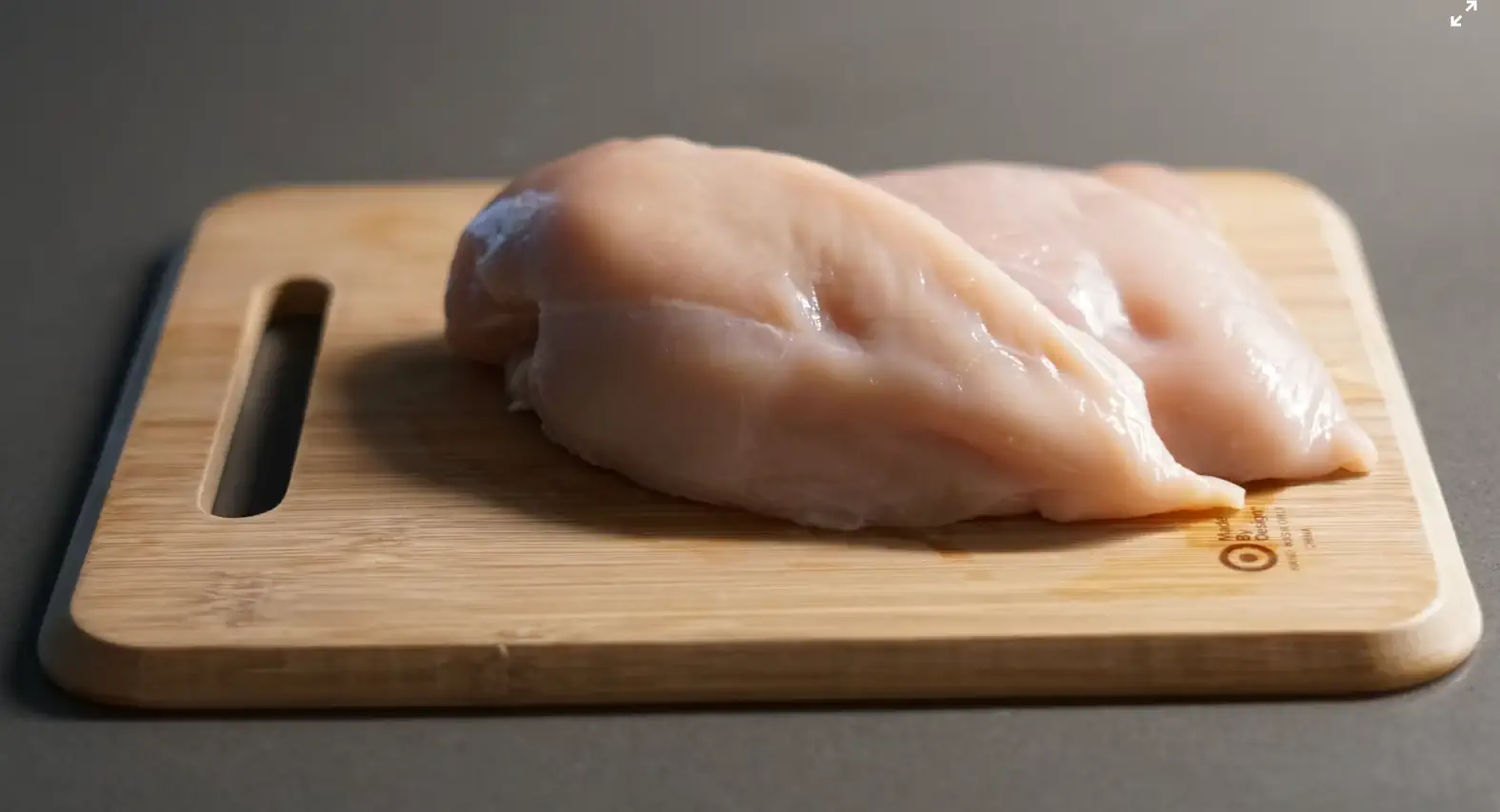
Fresh meat and poultry, cooked and eaten the same day. Chicken, turkey, lamb, beef: the constraint is the timing rather than the animal.
Eggs, cooked fresh. The most reliable low-effort protein most people have, and the one that rescues a bad day.
Pulses cooked from dried, portioned and frozen the same day. Frequently better tolerated than the same pulses from a tin.
Seeds and seed butters, which are often fine where nuts are not, and worth testing individually rather than assuming.
Quinoa and other whole grains, which contribute more protein than people expect once meat is limited.
🔗 Want more like this? Browse all our mast cell guides →
🚫 What tends to cause trouble
Anything cured, smoked or aged. Ham, bacon, salami, aged cheese. Storage by definition.
Yesterday's cooked meat. The single most common problem, and the one that looks like a random reaction.
Tinned pulses. Storage time plus the liquid they sit in.
Fermented soy. Tempeh, miso and soy sauce, where the whole point of them is the fermentation.
Several nuts, commonly reported and frustrating because they're the default protein snack.
Fish deserves its own treatment, because the mechanism is different and the fresh-versus-tinned-versus-smoked question has a specific answer. We've covered it in our low-histamine grocery guide rather than repeating it here.
❄️ The habit that recovers most of it
Cook a batch of plain protein, portion it, and freeze it the same day. Not "keep it for tomorrow", but freeze it, before you eat any of it.
That single change puts roast chicken, cooked pulses and plain mince back on the table, because the clock stops at the point of freezing rather than running through the fridge overnight. Reheat straight from frozen and it never restarts.
It's the same principle as the whole approach, applied to the category where it matters most, and we've set out the method in detail in batch cooking on a low-histamine diet.
⚠️ The part that matters more than any list
Protein is the nutrient where quiet restriction does the most damage, and the damage is slow enough to miss. Less muscle, less energy, slower healing: none of which announces itself in a week.
If meat, fish, eggs, pulses and nuts are all off your list, that is not a diet to manage alone from articles. It's a reason to ask for a dietitian referral, and to say plainly that your list has narrowed.
A low-histamine approach is meant to be a short, supervised trial with structured reintroduction. If yours has become permanent by default, that's worth raising with your doctor ahead of anything on this page.
❓ Common questions
Is chicken low in histamine?
Freshness matters more than the meat. Fresh chicken cooked and eaten the same day is generally well tolerated; the same chicken from yesterday's fridge often isn't. That's the variable to change first, before removing the food itself.
Why are tinned beans a problem when dried ones aren't?
Storage time and the liquid they sit in. Pulses cooked from dried and frozen the same day are frequently better tolerated than the identical pulse from a tin, which is a workaround worth trying before writing off the category.
Can I get enough protein on a low-histamine diet?
Often yes, with fresh meat, eggs, home-cooked pulses, seeds and grains. But whether your total is actually enough is a question for a dietitian rather than an estimate, and it's the nutrient most worth checking rather than assuming.
What are the signs my protein intake has dropped too low?
They are unhelpfully vague, which is exactly the problem: more fatigue than usual, wounds and bruises taking longer, hair shedding, feeling weaker on stairs. All of those have other explanations too, which is why this is a conversation to have with a clinician rather than something to judge from how you feel.
Are eggs high in histamine?
Eggs are generally among the better-tolerated proteins when cooked fresh, and they're frequently the fallback on a low-energy day. As with everything here, individual tolerance varies and is worth testing deliberately.
📋 STILL WANT THE CHECKLIST?
Three pages, undated, in both A4 and US Letter: tick by area, log what preceded each reaction, and pick your three before you walk in.
📚 Sources
Continue reading
Batch Cooking on a Low-Histamine Diet, the freezing method this depends on.
Low-Histamine and Plant-Based, if meat isn't an option to begin with.
Low-Histamine Grocery List, including the fish question.
⚕️ This article is general information and is not medical, dietary or nutritional advice. Do not remove food groups from your diet without support from a qualified dietitian or your doctor.