
Low-Histamine Dinners for Low-Energy Evenings
🌙 Dinner is the meal that gets skipped. Not because you're not hungry, but because by evening the energy required to stand at a hob, make decisions and clean up afterwards is energy you no longer have.
🍲 And a low-histamine approach removes most of the shortcuts: no leftovers, no jarred sauces, no takeaway, no cheese to melt over something and call it done.
💚 So this isn't a set of recipes. It's a handful of structures that survive a bad evening, built around the one rule that makes the rest predictable.
🌿 STOP CROSSING THINGS OFF TO FIND OUT
Removing another food is the slowest possible way to answer why you react, and the list only ever gets shorter. The faster route is an appointment where the whole pattern is on the table, reactions that have nothing to do with dinner included.
⚡ Instant download · 🖨️ A4 and US Letter · Undated · No spam, ever 🌿
⏳ Why leftovers are the problem, not the solution
Histamine builds in food after it's cooked, and keeps building in the fridge. That's the whole reason batch-cooking advice written for anyone else doesn't transfer directly.
Cooked tonight, eaten tonight is the low point. Cooked tonight, eaten tomorrow is not.
The workaround isn't to cook every evening from scratch, which isn't realistic on a bad week. It's to cook, portion and freeze the same day, so the clock stops. Reheating from frozen is a different proposition from reheating from the fridge, and it's the single habit that makes low-effort evenings possible.
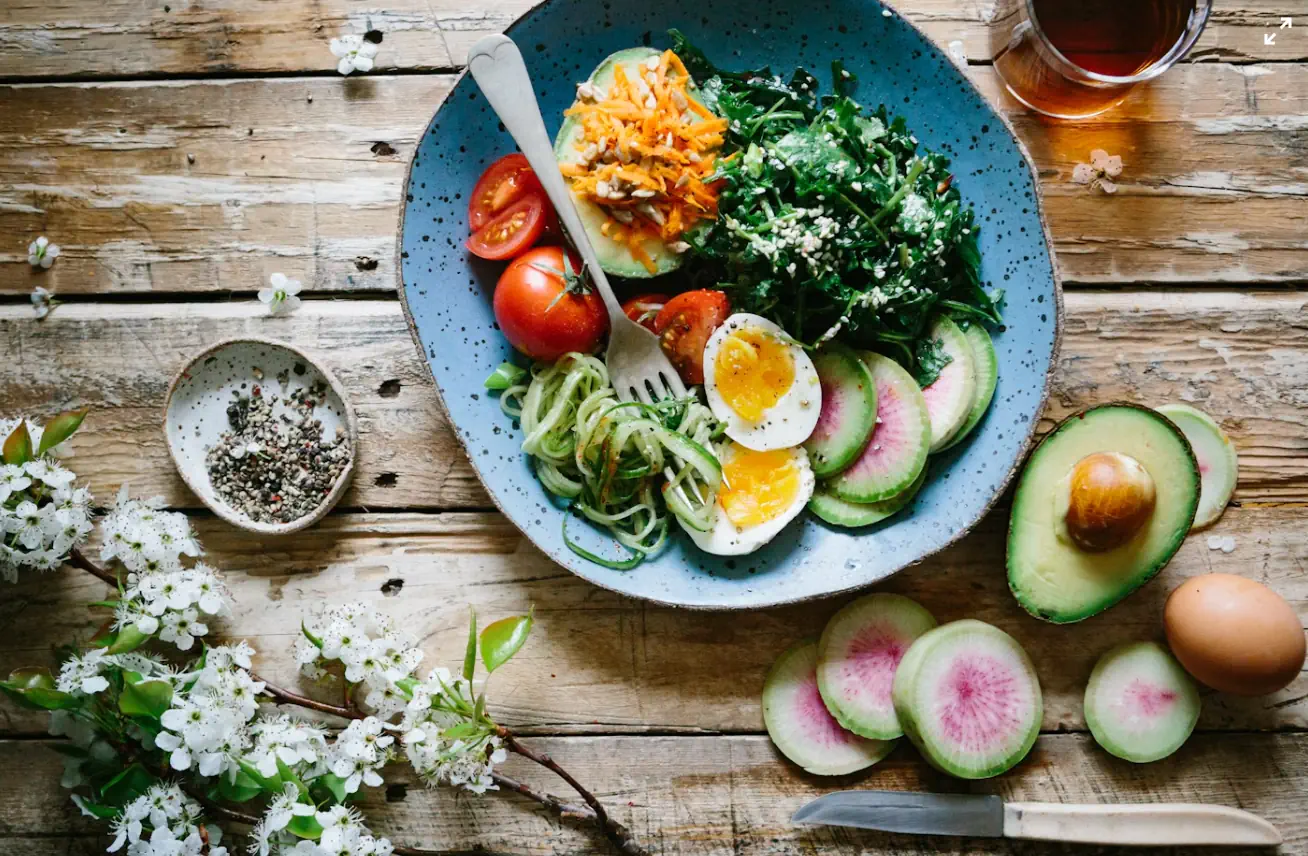
🍽️ Four structures that hold up
Not recipes, but shapes you can fill with whatever you personally tolerate.
One pan, one protein, one starch. Fresh chicken or turkey, rice or potato, a vegetable you get on with. Boring, reliable, and it needs one pan and one decision.
Tray bake. Everything on a tray, oven on, sit down for forty minutes. The lowest-standing option there is, and it scales to portions for the freezer without extra effort.
Soup from fresh ingredients, frozen immediately. The classic batch meal, made compatible by freezing the moment it's cooled rather than keeping it in the fridge all week.
Freezer-to-plate. A portion cooked and frozen days ago, reheated straight from frozen. This is the one that saves the evening you can't cook at all.
🔗 Want more like this? Browse all our mast cell guides →
🚫 What tends to catch people out at dinner
Anything aged or fermented. Cheese, soy sauce, vinegar, miso, wine in the pan. These are the flavour shortcuts, which is exactly why dinner feels harder than breakfast.
Jarred sauces and stock cubes. Time, storage and additives in one product.
Cured and processed meat. Same principle as smoked fish, since curing is storage.
Tomato-based anything. Frequently reported, and it removes most of the standard weeknight repertoire.
The reheated portion from Sunday. The most common single mistake, and the reason a "safe" meal suddenly isn't.
🪑 Lowering the cost of the evening itself
The food is only half of it. Standing still at a counter is one of the most expensive things you do all day, and it lands at the hour when you have least left.
Sit to prep, always. A stool at the counter changes an evening more than any ingredient swap.
Cook double, freeze half immediately. Not "keep half for tomorrow", but freeze it, the same day, before you eat.
Choose fewer transitions over fewer minutes. A tray bake that takes forty minutes but requires standing twice beats a fifteen-minute stir-fry that requires standing throughout.
We've covered the room itself, meaning heat, steam, scent and where to put a chair, in making the kitchen a gentler place to be.
⚠️ The line worth holding
Eating less is not a strategy. Skipping dinner to avoid a reaction trades one problem for a worse one, and it's a pattern that builds quietly: first the meal is smaller, then the list of safe foods shrinks, then eating becomes something to be managed rather than done.
A low-histamine approach is meant to be a short, supervised trial with structured reintroduction afterwards. If your list is narrowing rather than clarifying, that's the thing to tell your doctor, ahead of any symptom on this page.
A dietitian is the right person for this. That includes deciding when to stop.
🌿 "MY LIST IS NARROWING": SAY IT, AND BE HEARD
That sentence matters more than any symptom on this page, and it is the one that gets lost in ten minutes. Handed over on paper alongside the rest of what your body is doing, it stops sounding like fussiness and starts sounding like something to investigate.
Free, always. Unsubscribe in one click 🌿
❓ Common questions
Can I meal prep on a low-histamine diet?
Yes, provided you freeze rather than refrigerate. Histamine keeps building in cooked food in the fridge, so a week of fridge portions works against you. Cooking, cooling quickly and freezing the same day is the version that works.
Why does dinner seem harder than other meals?
Because most weeknight shortcuts are aged, fermented, jarred or reheated: cheese, sauces, stock, soy, leftovers. Removing those removes the standard repertoire, and it happens at the hour when energy is lowest.
Is it the food, or is it standing up to cook?
Often both, and they're easy to confuse. Cooking involves standing still, heat and steam alongside the meal itself. Writing down what you ate and how the evening went, on the same line, is the quickest way to separate them.
How long do frozen portions keep?
Freezing stops the clock rather than reversing it, so a portion frozen fresh stays as it went in. Label each one with the date it was cooked, since a freezer full of unmarked containers becomes unusable within a month and you end up guessing, which is the one thing this whole approach exists to avoid.
What if I can't cook at all that evening?
That's exactly what the freezer portion is for. Having one no-decision option that reheats from frozen is worth more than any recipe, because it's the option that exists on the day nothing else does.
📚 Sources
Continue reading
Low-Histamine Breakfast Ideas, the other hard meal.
Batch Cooking on a Low-Histamine Diet, the freezing method in detail.
MCAS and the Kitchen, the room rather than the food.
⚕️ This article is general information and is not medical, dietary or nutritional advice. Do not remove food groups from your diet without support from a qualified dietitian or your doctor.