Low-Histamine Breakfast Ideas That Work on a Bad Morning
🍳 Breakfast is the hardest meal on a low-histamine diet, and nobody warns you. Almost everything conventionally eaten first thing, meaning yogurt, cheese, cured meat, smoked fish, tomatoes, citrus and leftover anything, sits on the list you're trying to avoid.
⏰ And it lands at the worst possible time: the hour when energy is lowest and decisions are hardest.
💚 So this isn't a recipe collection. It's a small set of patterns that work when you can't think, plus the one rule that matters more than any food list.
🌿 STOP LOSING BREAKFASTS ONE AT A TIME
Every unexplained morning costs you another item, and the list only ever gets shorter. The way out is being investigated rather than eliminating further, and that starts with handing over the whole picture instead of describing one bad breakfast.
⚡ Instant download · 🖨️ A4 and US Letter · Undated · No spam, ever 🌿
⏳ The rule that decides everything
Histamine builds in food over time. Not while it grows, not while it cooks, but afterwards, and it keeps building in the fridge.
Which means the same eggs are a different proposition scrambled fresh and reheated the next morning. It means last night's leftovers are the single most common reason a "safe" breakfast goes wrong. And it means freezing matters: cooling fast and freezing the same day keeps the level low, while a day in the fridge does not.
Once you have that, most of a food list becomes predictable rather than memorised.
🥚 The patterns that hold up
Not rules, but starting points, to be adapted to what you personally tolerate.
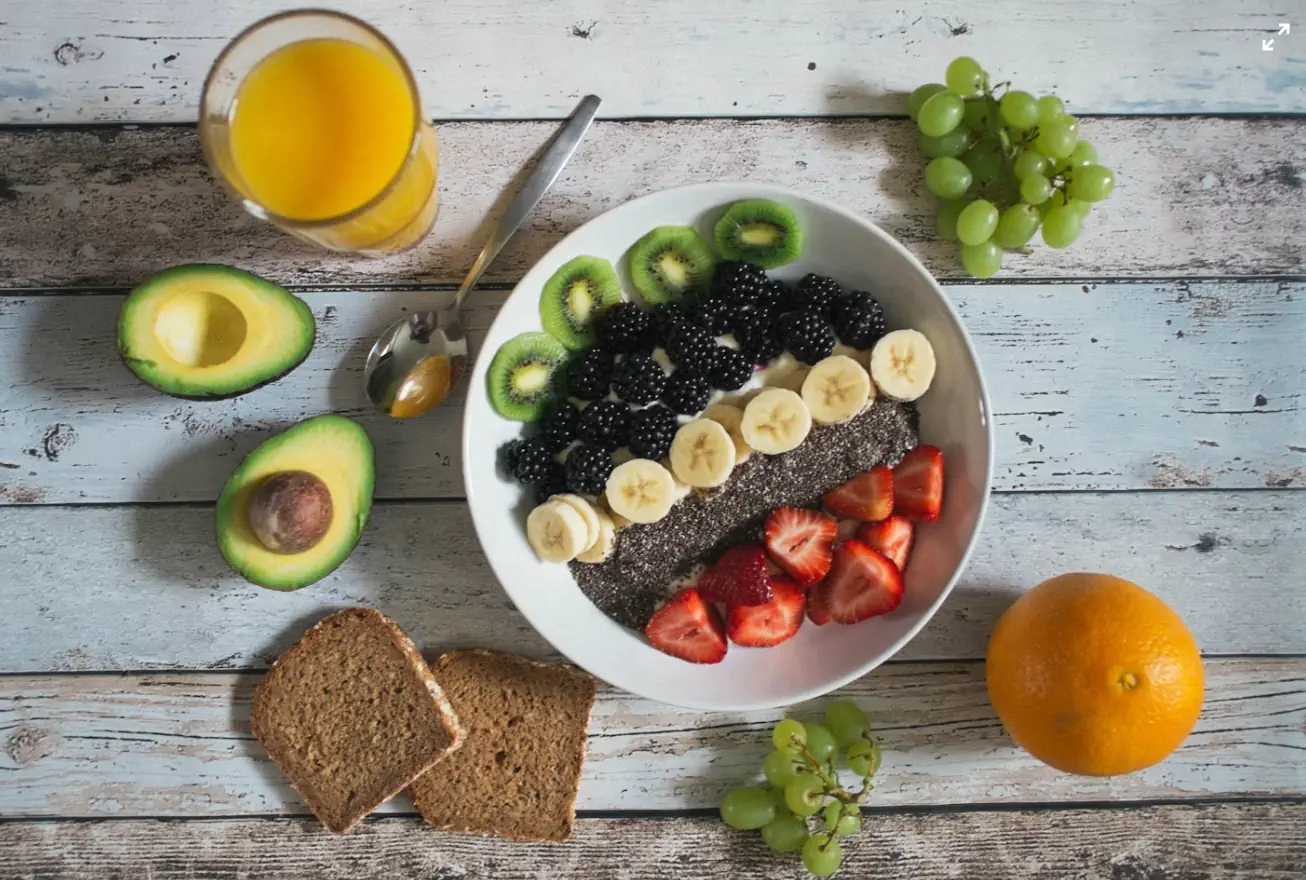
Eggs, cooked fresh. The most reliable low-effort protein at breakfast for most people. Scrambled, boiled, or baked in a tray the same morning.
Plain oats. Porridge with water or a tolerated milk alternative, cooked from raw rather than from an instant sachet with additives.
Fresh-cooked chicken or turkey. Unconventional at breakfast and genuinely useful, particularly if you've cooked and frozen portions the day before.
Rice or plain potato. Boring on purpose, and the fallback that almost always works on a bad morning.
Fruit that isn't citrus. Apple, pear, blueberries, fresh rather than dried, since drying concentrates far more than the fruit.
Bread, freshly baked rather than long-risen. Time is the variable again: long fermentation is the part that matters, not the flour.
🔗 Want more like this? Browse all our mast cell guides →
🚫 What catches people out
Almost all of it is time, storage or fermentation rather than the ingredient itself:
Yogurt and cheese. Fermented by definition. This is the hardest one to give up and the least negotiable.
Smoked or cured anything. Bacon, ham, smoked salmon: cured means stored, and stored means time.
Leftovers reheated for breakfast. The most common single mistake.
Tomatoes, avocado and citrus. Frequently reported, though far from universal.
Instant sachets and flavoured products. The additives are the variable, not the oats.
Coffee. Reported by a lot of people and tolerated by plenty of others, so it's worth testing on its own rather than assuming either way.
🥶 Making a bad morning survivable
The point isn't a beautiful breakfast. It's that a breakfast exists on the day you can't stand at a counter.
Cook once, portion, freeze the same day. Rice, plain chicken and cooked oats all freeze well, and freezing the same day is what keeps the histamine load down. Reheating from frozen is not the same as reheating from the fridge.
Keep one no-decision option at the front. A single go-to that needs no thought, no chopping and no standing. The kitchen is its own obstacle course when you're reacting, which is why we've written separately about making the room itself less costly.
Eat sitting down, and don't skip it. Skipping breakfast to avoid a reaction trades one problem for a worse one, and on an empty stomach everything else you do that morning costs more.
⚠️ The part that matters more than the food
Don't remove food groups on your own. A low-histamine approach is meant to be short, supervised and followed by careful reintroduction, not a permanent diet you assemble from articles.
The risk isn't theoretical. A list that keeps shrinking costs you nutrition, energy and, over time, a relationship with eating that's hard to rebuild. If yours is getting smaller rather than clearer, that's the thing to raise with your doctor, ahead of any symptom on this page.
And a dietitian is the right person for this, not a food list. That includes ours.
🌿 "MY LIST KEEPS SHRINKING": SAY IT, AND BE HEARD
That sentence matters more than any food on this page, and it is exactly what gets lost in a ten-minute appointment. Handed over on paper alongside the rest of what your body is doing, it stops sounding like fussiness and starts sounding like something worth investigating.
Free, always. Unsubscribe in one click 🌿
❓ Common questions
Why are leftovers such a problem at breakfast?
Histamine builds in food after cooking and continues building in the fridge. Reheating doesn't reverse it. That's why the same meal can be fine at dinner and cause a reaction the next morning: the ingredient hasn't changed, the storage time has.
Can I freeze breakfasts in advance?
Yes, and it's the most useful habit on this page, provided you cool the food quickly and freeze it the same day it's cooked. Freezing keeps the level low; it doesn't undo a level that has already built up in the fridge.
Is coffee high in histamine?
It's frequently reported as a trigger and equally often tolerated. Rather than assuming, test it on its own on an otherwise ordinary day and write down what happens, which is a more reliable answer than any general list.
What if mornings are bad whatever I eat?
Then food may not be the variable. Symptoms that are reliably worse in the first hours of the day, before anything has been eaten, point at something other than breakfast, and that's worth saying out loud rather than continuing to change what's on the plate. Both circadian patterns and orthostatic ones behave that way.
How long should a low-histamine diet last?
It's generally intended as a short, supervised trial followed by structured reintroduction, not a long-term way of eating. If your list of safe foods keeps narrowing, that's a reason to speak to a dietitian or your doctor rather than to narrow it further.
📚 Sources
Continue reading
Low-Histamine Grocery List, the shopping side, including the fish question.
MCAS at Night, if the mornings follow a bad night rather than a meal.
Histamine Intolerance vs MCAS, whether food explains all of it, or only some.
⚕️ This article is general information and is not medical, dietary or nutritional advice. Do not remove food groups from your diet without support from a qualified dietitian or your doctor.