
Navigating Medical Bills and Paperwork With Chronic Illness
📋 The paperwork of being sick is its own part-time job.
Explanation of benefits forms. Itemized bills that don't match what you remember. A denial letter with no clear next step. If chronic illness has taught you anything about healthcare systems, it's that staying well and staying organized are two entirely different skills — and the second one is rarely taught anywhere.
This guide is about the process: records, queries, appeals, and keeping a paper trail. If what you actually need is help with the money — budgeting for ongoing costs, building a buffer, handling medical debt — that's covered separately in the real cost of chronic illness.
A quick note before we start: insurance systems, appeals processes and healthcare structures vary enormously by country — what applies to a US-based Medicare claim doesn't apply to an NHS referral or a Belgian mutuelle. This article covers general organisational principles that transfer across systems, not country-specific legal steps. For the specifics, your insurer, national health service, or a local patient advocacy organisation will have accurate guidance for where you live.
📝 The habit that prevents most headaches: the four lines
A running record — appointments, prescriptions filled, procedures, and their costs — is consistently the single most repeated piece of advice from people who manage this well. Billing errors are common, and a log is what lets you catch a charge for something you never actually received.
Four lines are enough, and they are always the same four:
The date. Not roughly. The actual date.
What happened — the appointment, the procedure, the call.
Who you spoke to, by name where you can get it.
What was said, in one sentence.
It feels tedious in the moment and saves enormous frustration later. Written the same day, four lines take under a minute; reconstructed six months later, they are usually gone.
🌿 The four lines need somewhere to live
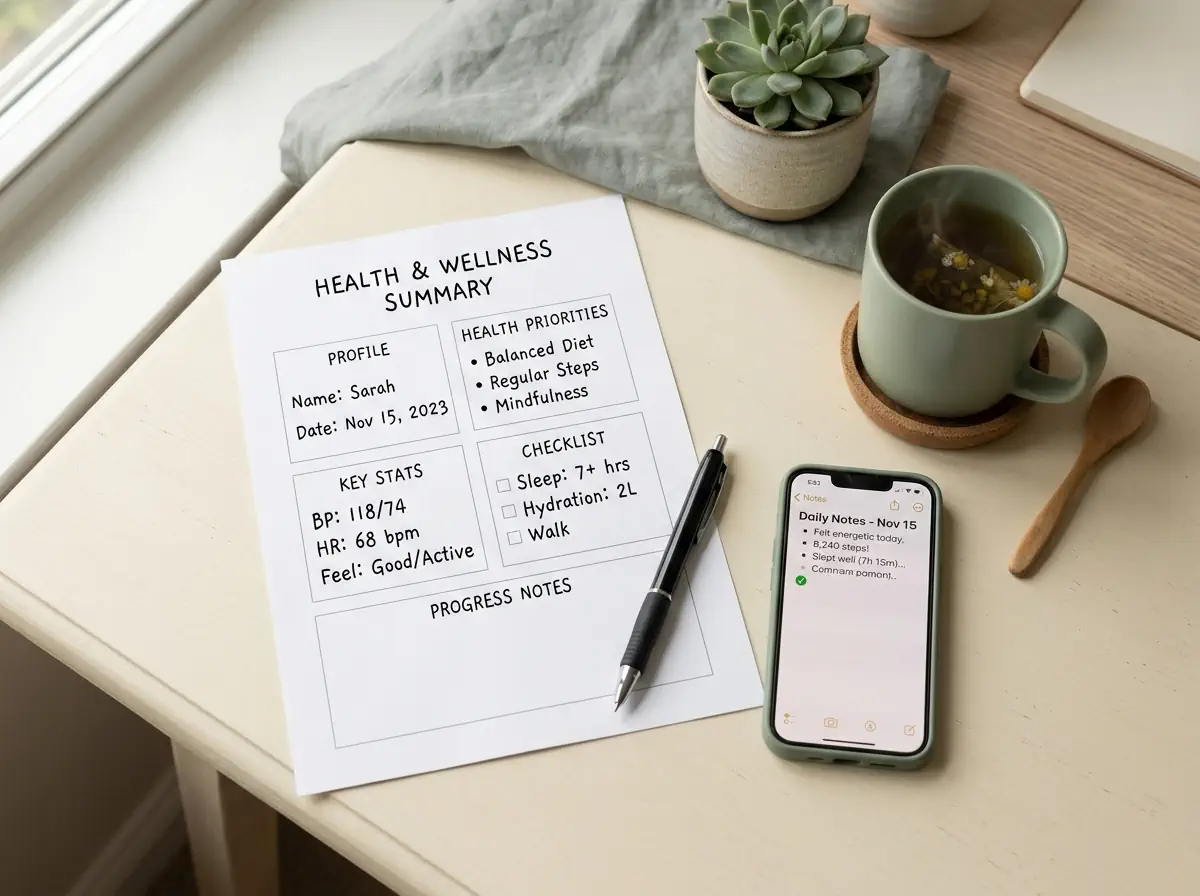
A log only works if it is one place rather than four — a note here, a photo there, a memory of a phone call. Our free Daily Wellness Tracker gives appointments, symptoms and calls a single page, written the day they happen, so the history already exists when a bill turns up months later.
⚡ Instant download · 🖨️ A4 and US Letter · Undated · No spam, ever 🌿
🔗 Want more like this? Browse all our chronic illness life guides →
❔ The three questions to ask when something looks wrong
Is this actually correct? Duplicate charges, incorrect codes, and clerical errors are common enough that they're worth checking before you pay, not after. Ask for the itemized version and compare it against your own log.
Why was this decided this way? A denial or a reduced payment should come with a stated reason. If it doesn't make sense, or the reason seems wrong, that's your starting point for a question or a formal query.
What's the process to challenge this, and by when? Most systems — insurance-based or public healthcare — have some form of formal review or appeal. Ask directly what it is, and write down the deadline in the same breath. Missed deadlines are one of the most common reasons a legitimate challenge fails, which means the date matters as much as the case you are making.
🗂️ Keep paper trails, not just memories
Whenever you speak to an insurer, provider, or billing office, those same four lines turn a vague "they told me..." into something you can actually reference later.
Never send original documents when submitting paperwork. Keep the originals and send copies — and keep a copy of what you sent, and the date you sent it, because that record matters just as much as the reply you eventually get.
🤝 You don't have to do this entirely alone
In many countries, patient advocacy organisations exist specifically to help untangle billing and coverage problems — some focused on chronic illness broadly, others on specific conditions. Depending on where you live, options might include a formal patient advocate, a case manager through your insurer or health service, or a condition-specific nonprofit. These resources vary by country, but the principle is the same everywhere: you're allowed to ask for help navigating a system that was never designed to be simple.
💚 A gentle reminder
Needing help to untangle a bill or a denial isn't a sign you're bad at this. Healthcare paperwork is confusing by design in most systems, chronic illness or not — asking questions and pushing back when something looks wrong is simply good self-advocacy, not an inconvenience you're causing.
❓ Frequently asked questions
What's the first thing I should do if I think a medical bill is wrong?
Can I challenge a decision my insurer or health service makes?
Why does the deadline matter so much?
How long should I keep medical paperwork for?
Is there help available if I can't navigate this alone?
🌿 The log you wish you had started a year ago
Nobody begins keeping records until a bill arrives that does not match what they remember, and by then the year it covers is already gone. Starting today costs a minute a day and means the next query has something behind it.
Free, always. Unsubscribe in one click 🌿
📚 Sources & further reading
The information in this article is drawn from the following sources. We encourage you to explore them, and to consult your own insurer, health service, or a local patient advocacy organisation for guidance specific to your country.
Triage Health — Quick Guide to Managing Medical Bills
United Policyholders — Resolving Billing Problems and Claim Denials
Solace — Reducing Medical Bills for Chronic Illness Treatment
Continue reading
⚕️ This article is general organisational information and is not legal, financial, or insurance advice. Healthcare systems and appeal rights vary by country — always consult your own insurer, health service, or a qualified local advisor for guidance specific to your situation.